The Charm and Challenge of Country Club District Homes
The Country Club District stands as one of Kansas City's most distinctive neighborhoods, known for its tree-lined streets, architectural diversity, and homes that tell the story of early 20th-century American craftsmanship. Whether you own a charming craftsman bungalow with its signature low-pitched roof and exposed beams or a romantic Tudor with half-timber details and steeply pitched gables, you've inherited both beauty and responsibility.
These homes were built to last, often with solid wood construction and materials that have proven their durability over a century. However, that same wood that gives these homes their character is also their greatest vulnerability. The Kansas City climate, with its humid summers and freeze-thaw cycles, creates the perfect conditions for wood deterioration. Understanding how to protect and maintain your home's wood is essential to preserving both its integrity and its value.
Wood Siding Repair: The First Line of Defense
Your home's exterior wood siding is under constant assault from weather, insects, and time. For craftsman bungalow owners, this typically means horizontal lap siding that requires regular inspection and maintenance. Tudor homes often feature a combination of stucco and exposed timber framing, where the wood elements demand particular attention. The good news is that catching problems early prevents costly damage down the road.
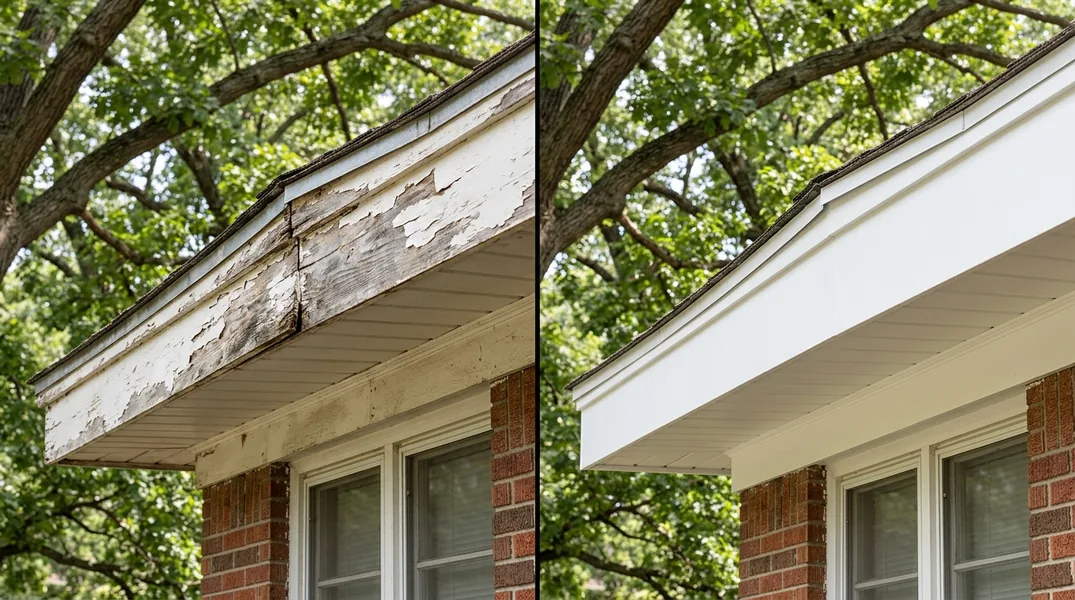
Water penetration is the enemy of wood siding. When paint fails, gaps develop, or caulk deteriorates, moisture enters the wood and begins its destructive work. You should inspect your siding annually, looking for soft spots, paint failure, or areas where the wood feels spongy to the touch. Early signs include peeling paint, discoloration, or wood that seems to absorb water rather than shed it. These are your cues that Wood Rot & Dry Rot Repair may be necessary. Addressing these issues promptly can mean the difference between a simple repair and replacing entire sections of siding.
Understanding Wood Rot and Dry Rot in Historic Homes
Wood rot comes in two main forms, and understanding the difference helps you recognize problems in your home. Wet rot occurs when wood is exposed to prolonged moisture and develops a soft, spongy texture. This is the most common issue in Kansas City homes, particularly in areas where gutters fail, flashing leaks, or grading directs water toward the foundation. Dry rot, despite its name, also requires moisture to develop but can spread more aggressively through wood, traveling through the grain and potentially affecting large areas if left unchecked.
Both types of rot weaken the structural integrity of your home's framing, siding, and trim. In a craftsman bungalow, rot in the exposed beam work or support posts is particularly serious. In a Tudor, rot in the timber framing can compromise the entire wall system. The key to managing this threat is regular inspection and swift action. If you notice soft wood, unusual odors, or visible fungal growth, it's time to call in professionals who understand historic wood construction. Contact Kansas City Carpentry for a free estimate to assess any damage before it spreads.
Preventive Maintenance: The Smart Homeowner's Approach
The most cost-effective strategy for protecting your Country Club District home is prevention. This means staying ahead of problems rather than reacting to them. Start with your roof and gutters. Clean gutters quarterly, especially in fall when leaves accumulate. Ensure your downspouts direct water at least four to six feet away from your foundation. Check your roof for missing or damaged shingles, and have any leaks repaired immediately. A small roof leak can lead to massive damage in your attic and upper walls over time.
Next, focus on exterior maintenance. Paint your wood siding every seven to ten years, or sooner if you notice failure. Keep caulk and flashing in good condition around windows, doors, and where different materials meet. Trim tree branches that hang over your roof or touch your siding, as they hold moisture and can scratch protective coatings. Inside your home, maintain consistent humidity levels between 30 and 50 percent, particularly in basements and crawl spaces. Poor ventilation in these areas creates the damp conditions that invite rot and Termite Damage Repair issues. If you have a basement, ensure proper drainage and consider a dehumidifier during humid months.
When to Call a Professional: Foundation and Structural Issues
Some wood problems require professional expertise. If you suspect rot in structural elements like floor joists, beams, or load-bearing walls, do not attempt repairs yourself. These components carry the weight of your home, and improper repairs can create safety hazards. Signs that you need professional help include sagging floors, cracks in interior walls, doors or windows that stick or won't close properly, or visible rot in structural wood. Floor Joist & Subfloor Repair and Beam Replacement & Load-Bearing Wall Removal are complex projects that demand the skills of experienced carpenters who understand both modern building codes and the historical construction methods used in your home.
A professional inspection can identify problems you might miss. Experienced carpenters know where to look for hidden rot, understand how water moves through your home's structure, and can recommend repairs that preserve your home's character while ensuring safety and longevity. Kansas City Carpentry specializes in historic home repair and understands the unique challenges of Country Club District properties. Call (816) 608-8526 to discuss your home's condition with someone who knows these neighborhoods inside and out.
Wood Rot & Dry Rot Repair Cost in Kansas City: What to Budget
The cost of wood repair varies dramatically depending on the extent of damage, the location of the problem, and whether structural elements are involved. A small area of surface rot in exterior trim might cost a few hundred dollars to repair, while extensive rot in floor joists or structural beams can run several thousand dollars. The important thing to understand is that delaying repair almost always increases cost. A small rot spot that costs five hundred dollars to fix today might require a five-thousand-dollar structural repair in five years if left alone.
Rather than guessing at costs, get a professional assessment. Kansas City Carpentry offers transparent pricing and detailed estimates that break down exactly what work is needed and why. This helps you make informed decisions about priorities. Sometimes it makes sense to address the most critical issues first, then plan additional repairs as your budget allows. Whatever your situation, investing in proper repair now protects your home's value and prevents exponentially more expensive problems later.
Looking for a professional carpentry contractor in Kansas City? Kansas City Carpentry responds fast for all your carpentry needs.
Get a Free QuoteOur services: Wood Rot & Dry Rot Repair · Termite Damage Repair · Floor Joist & Subfloor Repair